(You can find the English version below)
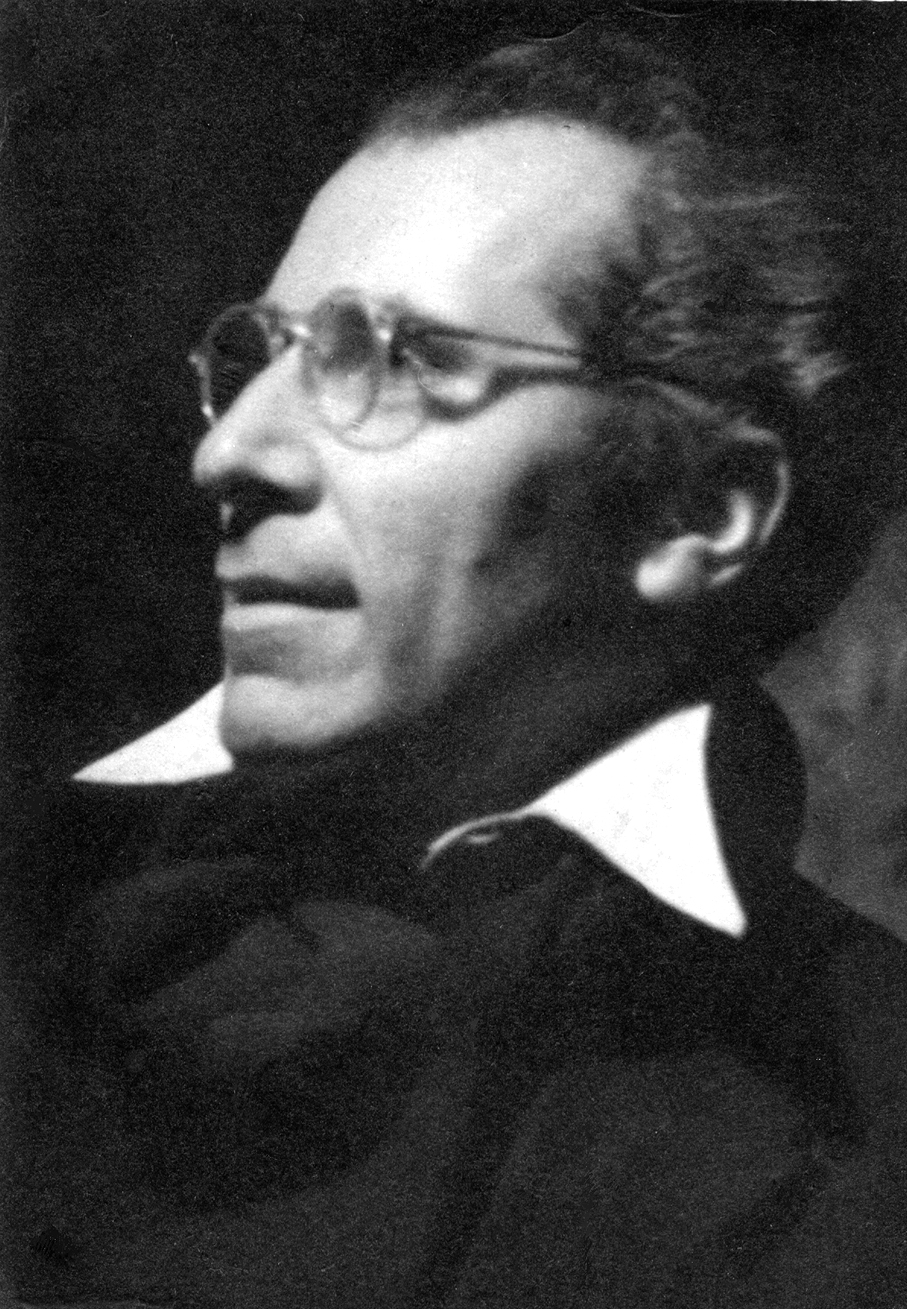
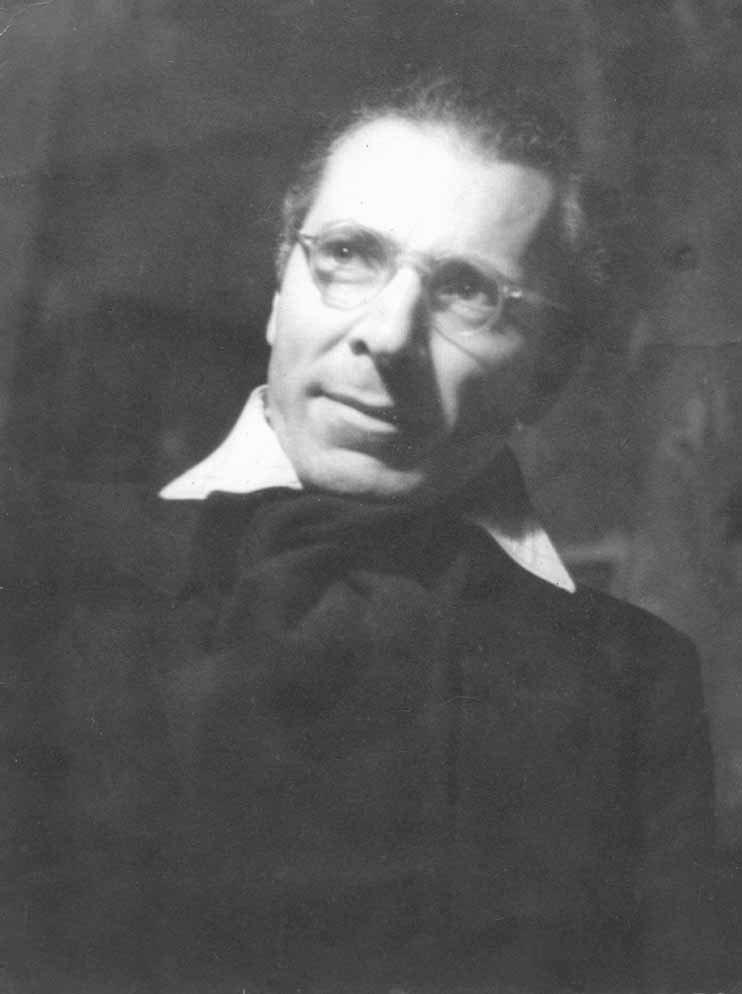
Lucien Delrieu naît à Nice le 28 janvier 1908. Fils de l’éditeur de musique Alfred Delrieu, il grandit dans l’atmosphère musicale familiale et fréquente, dès son jeune âge, les grands maîtres de l’entre-deux-guerres. Le siège des Editions musicales Delrieu (fondées en 1898) à Nice, est en effet, avec son animation et ses deux salles de concert, le point de ralliement des célébrités musicales de passage sur la Côte d’Azur dans le premier tiers du siècle. Lucien travaille auprès de son père et de ses frères durant près de quatorze ans et rencontre ainsi Cortot, Yves Nat, José Iturbi, Chaliapine, Caruso, Casals, Rubinstein et bien d’autres. Pianiste, il travaille avec Jean Antiga puis devient le disciple et l’ami du concertiste polonais Albert Tadlewski, fils spirituel de Paderewski. Il étudie l’harmonie avec Eleuthere Lovreglio et, commençant à créer ses propres œuvres, reçoit l’enseignement du compositeur russe Léonide Sabaneiev, installé à Nice, élève de Rimsky-Korsakov, Taneiev et Zverev et condisciple et ami de Rachmaninov et de Scriabine.
La disparition prématurée d’Alfred Delrieu, en 1936, bouleverse cette prometteuse destinée. Profondément affecté par la mort de son père, déshérité par sa mère au profit de son frère aîné qui l’évince de la société d’éditions, Lucien, abandonné des siens, seul et sans ressources, sombre dans une grande dépression nerveuse qui durera plus de six ans. C’est durant cette période, marquée par la guerre, qu’il compose la plupart de ses œuvres de musique savante. Son inspiration est multiculturelle : Pays Niçois, France, Espagne, Russie et Extrême-Orient. Il écrit de nombreuses pièces pour divers instruments, de caractère passionné et empreintes d’une profonde spiritualité. Parmi celles-ci, une sonate pour violoncelle et piano, un concerto pour piano et orchestre, des œuvres religieuses, des mélodies et aussi des chansons dont il écrit souvent les textes – ou en collaboration avec Jacqueline Royer qui deviendra sa femme, J. B. Riosecco, Francis Gag, et plus tard Jacques Douai et Robert Charroux – avec pour interprètes Alain Romans, Jean Lumière, Francis Gag, etc. Vers la fin de la guerre, recouvrant peu à peu la santé, il devient homme de radio. Il produit et anime sur les ondes libérées de Radio Nice des émissions poétiques et musicales.
Compositeur et pianiste, mais aussi artiste peintre, il réalise de nombreux tableaux d’inspiration japonaise, chinoise et persane, et participe à la décoration du paquebot France, symbole du renouveau et du dynamisme français dans les années 1960. Il compose pour le lancement du paquebot une œuvre intitulée « Rêverie à bord du France ». Lucien Delrieu est ravi soudainement à cette existence par une crise cardiaque le 18 novembre 1978 à Nice.
(ENGLISH)
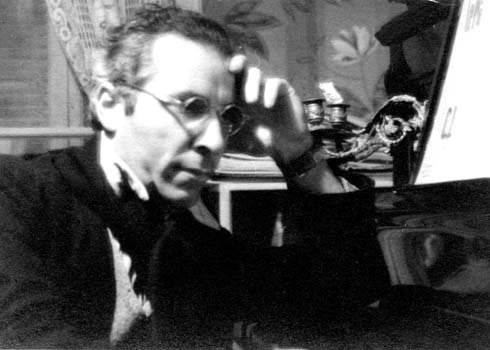
Lucien DELRIEU
Lucien Delrieu was born in Nice on January 28, 1908. As the son of the music publisher Alfred Delrieu, he grew up within a musical environment and from a young age he often frequented to the great pre-war masters. The centre of the Delrieu musical publishing in Nice, along with his two concert halls, became a vibrant meeting place and, in effect, formed a focal point for many transient musical celebrities on the Cote d’Azur between 1920 and 1936. Consequently he met Cortot, Yves Nat, Jose Iturbi, Chaliapin, Caruso, Casals, Rubinstein and many others.
As a pianist he worked with Jean Antiga and became the disciple and the friend of the Polish concert artist Albert Tadlewski, the spiritual son of Paderewski. Then, he studied harmony with the composer Eleuthere Lovreglio. Later, beginning to create his own works, he was taught by the Russian composer Leonid Sabaneyev—disciple of Rimsky-Korsakov, Taneiev and Zverev and fellow student and friend of Rachmaninoff and Scriabin. The premature death of Alfred Delrieu in 1936 cut short this promising career. Deeply affected by the death of his father, disinherited by his mother in favour of his elder brother who excluded him from the publishing company, Lucien, abandoned by his family, alone and without means, fell into a deep depression that lasted more than six years. It was during this period, the time of the Second World War, that he composed the majority of his classical works. His inspiration was multi-cultural : local Niçois landscapes, France, Spain, Russia and the Far East.
He went on to write numerous pieces for a variety of instruments. His works were impassioned and marked with a profound spirituality. Among these works were a sonata for piano and cello (which he then transcribed as a piano solo), a concerto for piano and orchestra, some religious works and some melodies, for which he often wrote lyrics in collaboration with Jacqueline Royer (who would become his wife), as well asJ. B. Riosecco, Francis Gag, and later Jacques Douai and Robert Charroux, and performed by Alain Romans, Jean Lumière, Francis Gag, etc.
Towards the end of the war, having regained his health he broadcast for Radio Nice and brought programmes of music and poetry to life on the airwaves.
Not only a composer and pianist, but also a noted artist, he produced a number of Chinese and Japanese inspired paintings. He also contributed to the decoration of the ocean liner « France »- symbolic of the vibrance and renewal of the country that General de Gaulle nurtured during the 1960s. For the launch of the ship, Delrieu composed a piece entitled « Reverie on board France ».
Lucien Delrieu departed from this life unexpectedly on November 18, 1978 in Nice as a result of a heart attack.